
Celebrating a 20-Year Legacy
2006 marked the premiere of an innovative, impact-driven documentary that uplifted the work of women on the U.S.-Mexico border, who sustained an economy that changed both nations and rapidly changed their lives. Vicky Funari and Sergio De La Torre’s groundbreaking documentary prioritized artful imagemaking and co-creative, community-based filmmaking. In the process, the promotoras whose stories are told in the film found new pathways for their activism and for telling their own stories. Twenty years later, we are celebrating the legacy of MAQUILÁPOLIS with screenings, events, and talks throughout 2026.
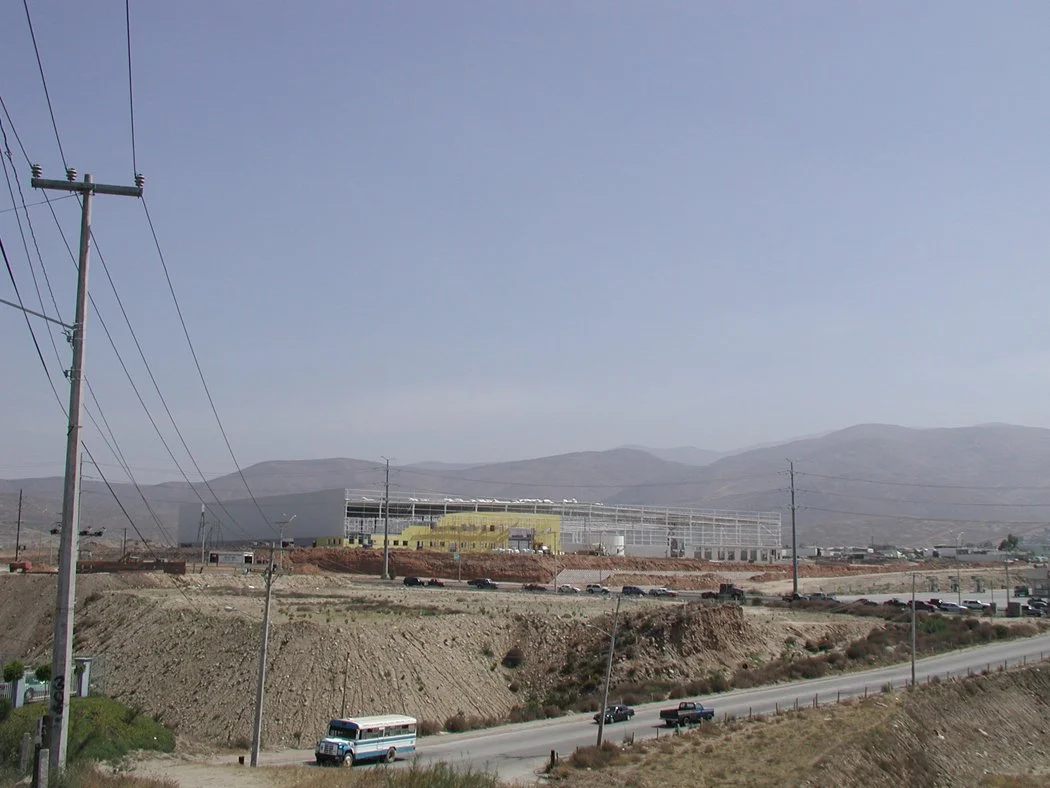
A piercing look at globalization through the eyes of women workers in Tijuana’s assembly plants, the maquiladoras.
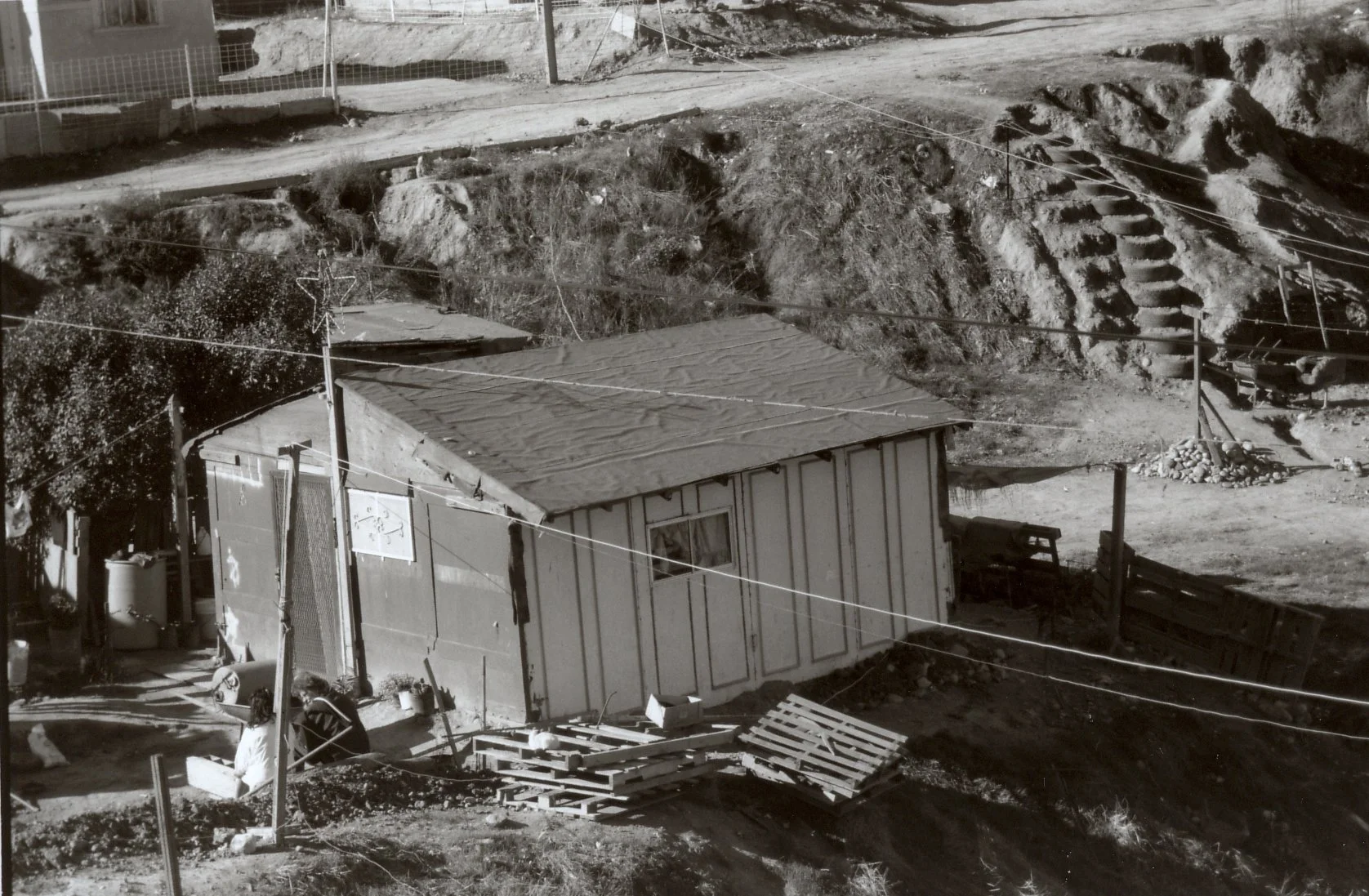
“Making explicit the slogan ‘knowledge equals power,’ MAQUILÁPOLIS is the rare activist documentary that really does empower the individual women at the heart of its story.”
JAY WEISSBERG, VARIETY
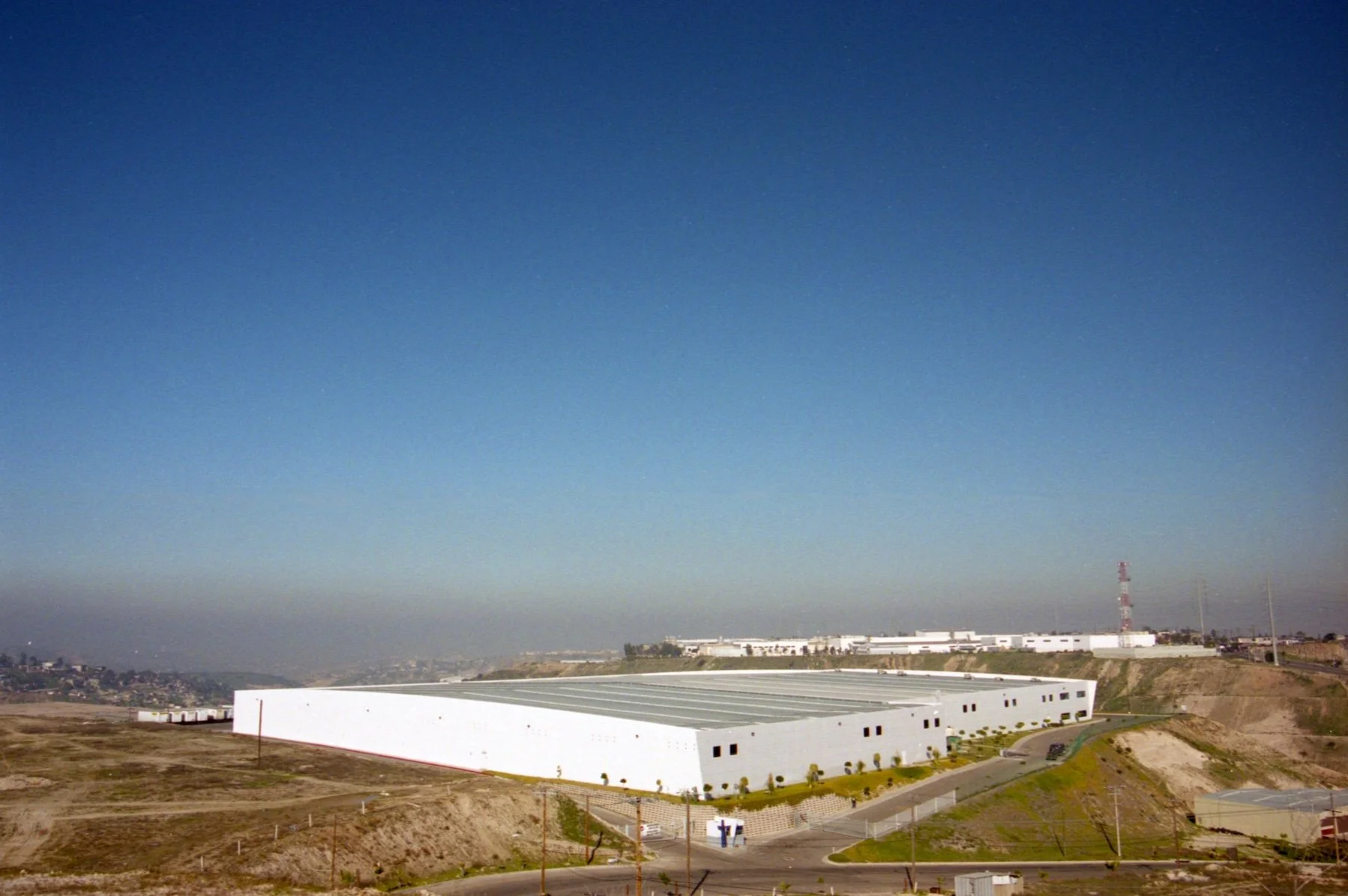
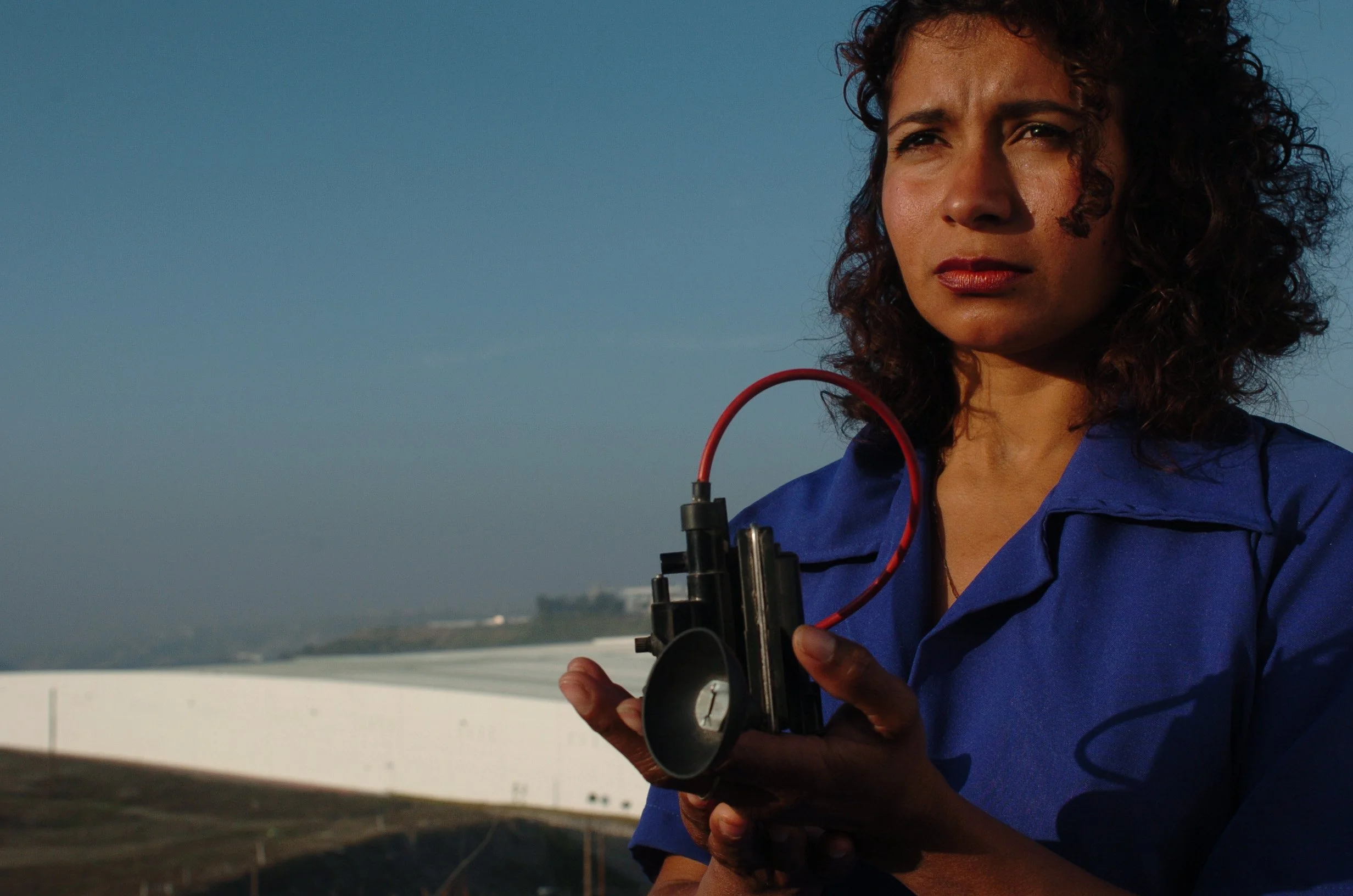
Anniversary Screenings & Events
-
October 16
AMBULANTE PRESENTA
Cineteca del Centro Universitario de Tonalá, Jalisco, 16 de octubre, 10:00 hrs -
October 15
AMBULANTE PRESENTA
Cine Villa Olímpica, CDMX, 15 de octubre, 17:00 hrs -
October 14
AMBULANTE PRESENTA
Compartimento Cinematografico, Guanajuato, 14 de octubre 18:00 hrs -
October 14
AMBULANTE PRESENTA
Cineclub UDCI, Baja California, 14 de octubre 12:00 hrs -
October 7
AMBULANTE PRESENTA
Cine Mayahuel, Jalisco, 7 de octubre 19:00 hrs -
October 6
AMBULANTE PRESENTA
Sría. de Cultura Michoacán, Michoacán, 6 de octubre 17:00 hrs -
October 2
AMBULANTE PRESENTA
Cinemateca Luis Buñuel, Puebla, 2 de octubre 17:00 hrs -
September 30
AMBULANTE PRESENTA
CREA, Centro Cultural, Guanajuato, 30 de septiembre 20:00 hrs -
September 17
AMBULANTE PRESENTA
Cine Víctor Manuel Mendoza, CDMX, 17 de septiembre 16:00 hrs -
September 12
RoxCine presents the 20th anniversary of MAQUILÁPOLIS [city of factories] screening & conversation with filmmakers & protagonists Saturday September 12, 3:45pm ROXIE THEATER 3125 16th Street, San Francisco, CA
A benefit for Refugee and Immigrant Transitions (RIT)RoxCine presenta el 20° aniversario de MAQUILÁPOLIS [ciudad de fábricas] documental y conversatorio con los directores y las protagonistas sábado 12 de septiembre, 3:45pm ROXIE THEATER 3125 16th Street, San Francisco, CA 94103 El evento es a beneficio de Refugee and Immigrant Transitions (RIT)E: STI
-
September 8
AMBULANTE PRESENTA
CineClub UABC, Baja California, 8 de septiembre 17:00 hrs -
August 27
AMBULANTE PRESENTA
Red Xalapeña de Cine Clubes, Veracruz, 27 de agosto 18:00 hrs -
August 25
AMBULANTE PRESENTA
Museo Casa de Carranza, CDMX, 25 de agosto 16:00 hrs -
August 22
AMBULANTE PRESENTA
Proyecto(R), Baja California, 22 de de agosto 17:00 hrs -
August 14
AMBULANTE PRESENTA
Secretaría de Cultura y Turismo del Estado de México, Estado de México - 14 de agosto 12:00 hrs. -
July 4
INGRID HERNÁNDEZ
20 AÑOS DE ARTE
UNDER CONSTRUCTIONPlaza de la Ciudadela 2, Centro Histórico, Ciudad de México
(Cerca de metro y metrobús Balderas)Proyección + conversatorio
Maquilápolis (Ciudad de fábricas)
Dir. Vicky Funari y Sergio de la Torre, 2006.
Participan: Abril Castro Prieto y Rosela del Bosque
Modera: olgaMargarita dávila -
May 16
4:00-5:45pm AMBULANTE: MAQUILÁPOLIS Screening and Q&A with Promotoras and Directors
CECUT, Centro Cultural de Tijuana
Sala Carlos Monsiváis de la Cineteca Tijuana5:45-7:15pm Panel Discussion
MAQUILÁPOLIS 20 years later: how has the situation of maquiladora workers changed? -
May 15
6:00-8:30pm
AMBULANTE: MAQUILÁPOLIS Screening and Panel Discussion
UABC Tijuana (University of Baja California)
Sala de conferencias, Teatro Universitario Ruben Vizcaino
Panel Theme: Participatory documentary & the co-creation of MAQUILÁPOLIS

The Film
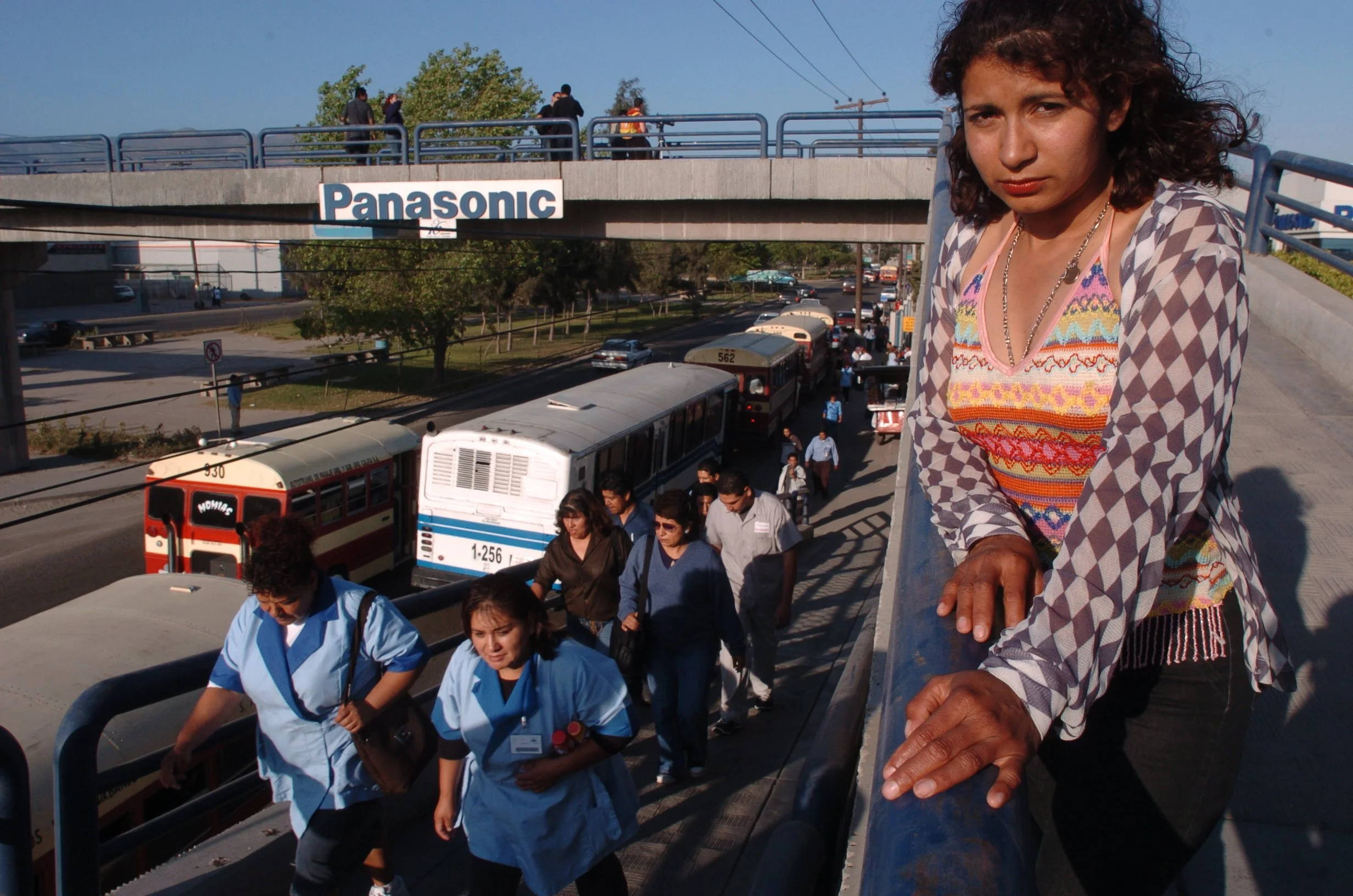
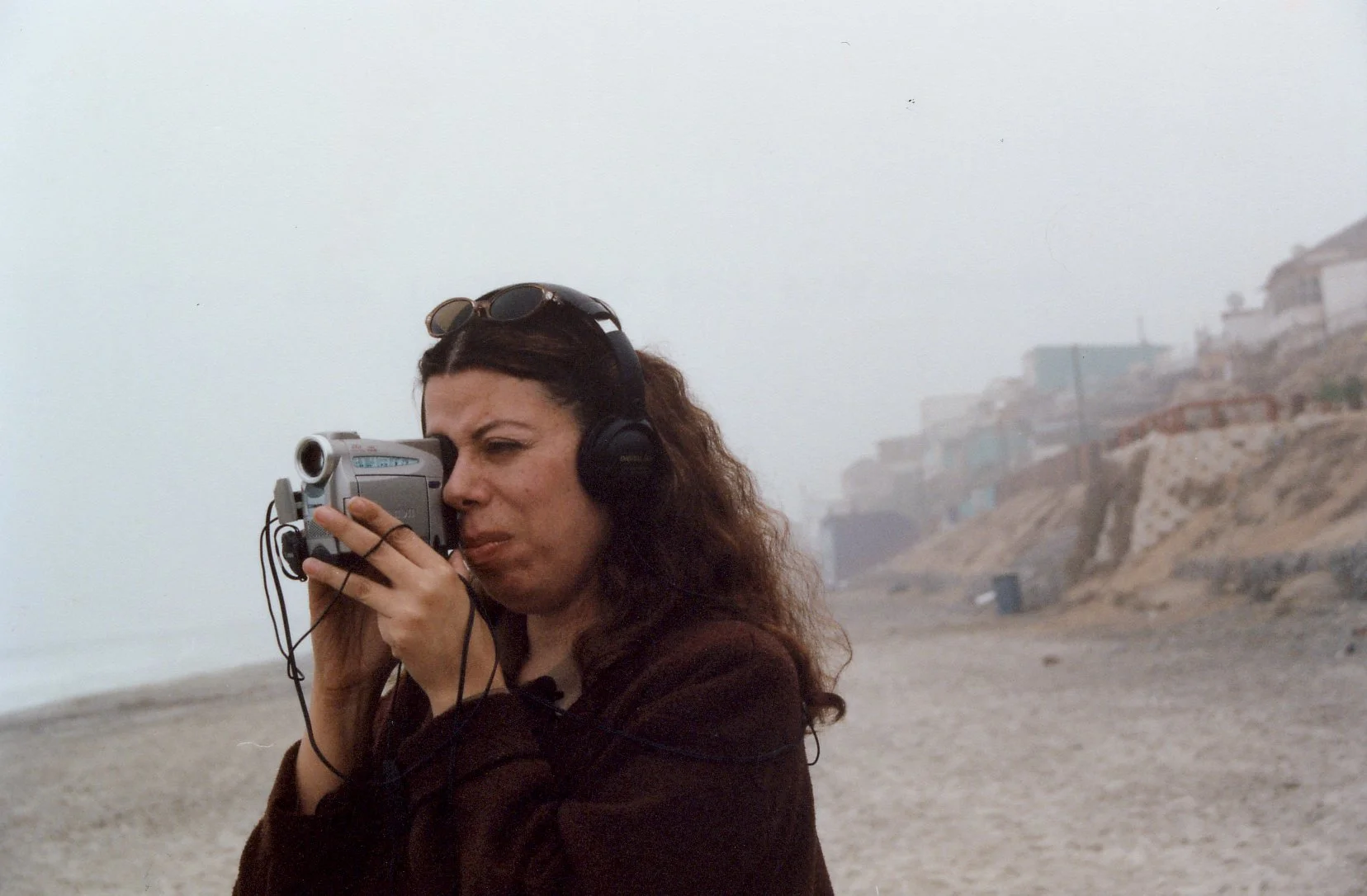
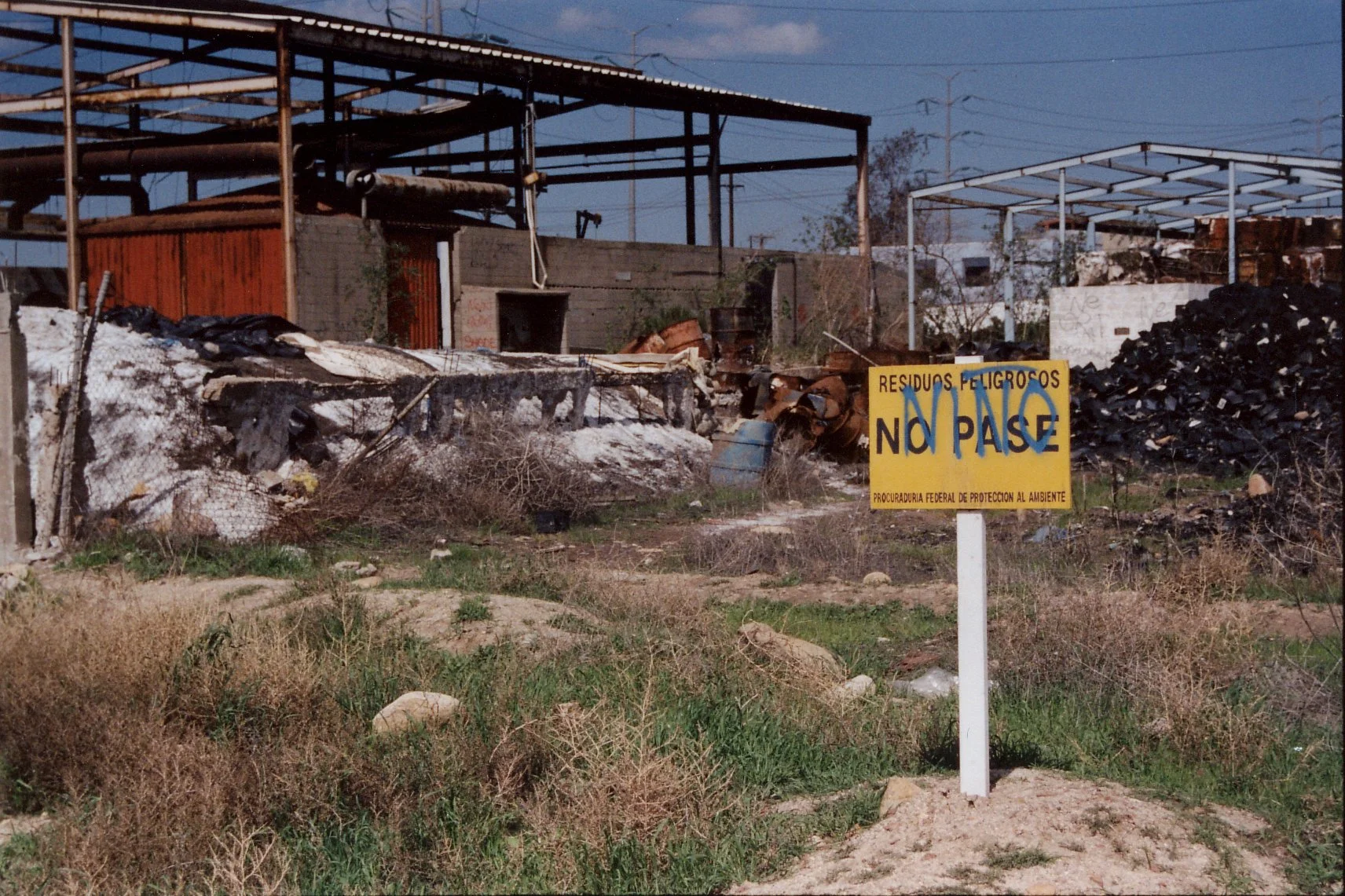
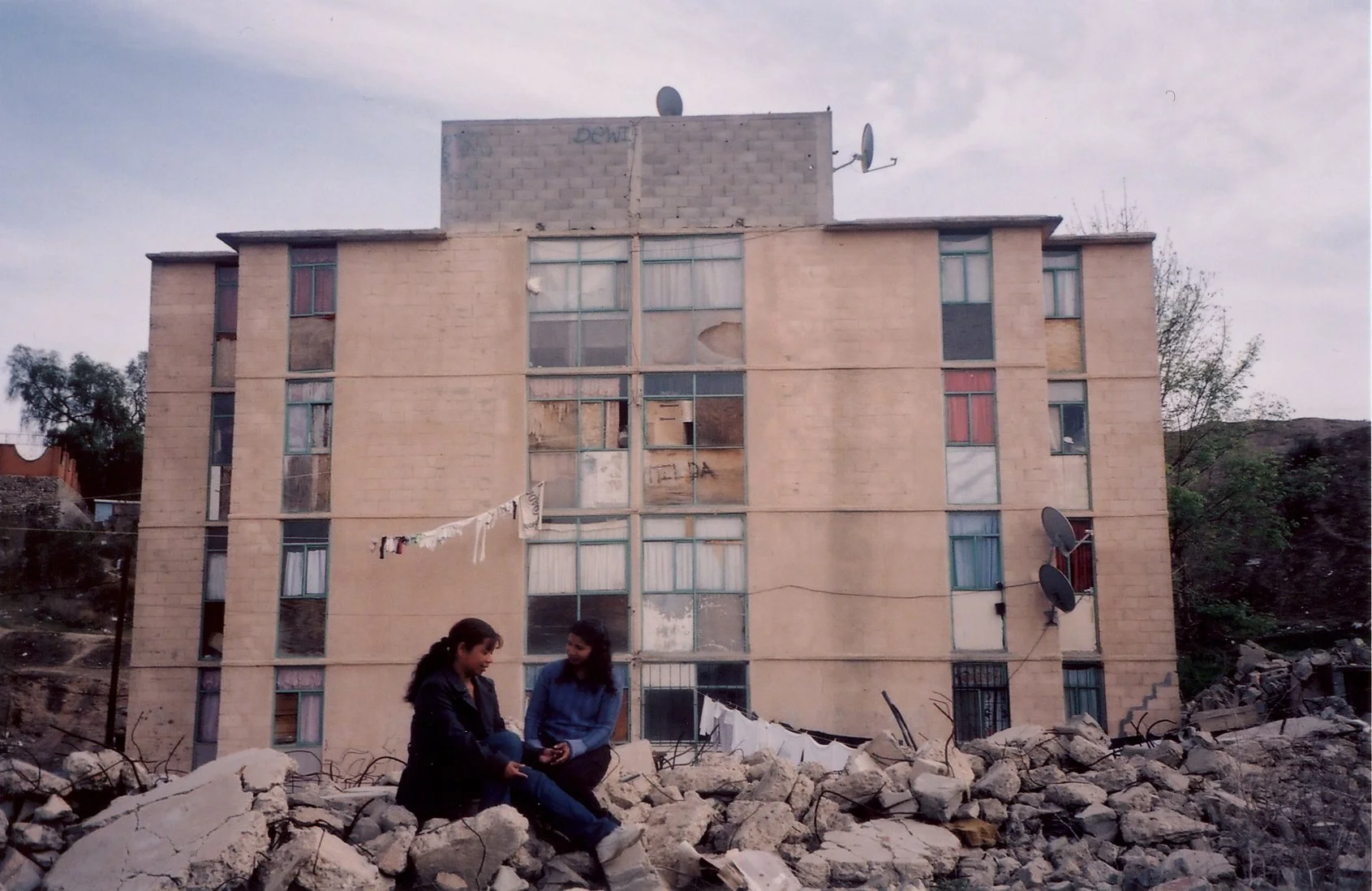
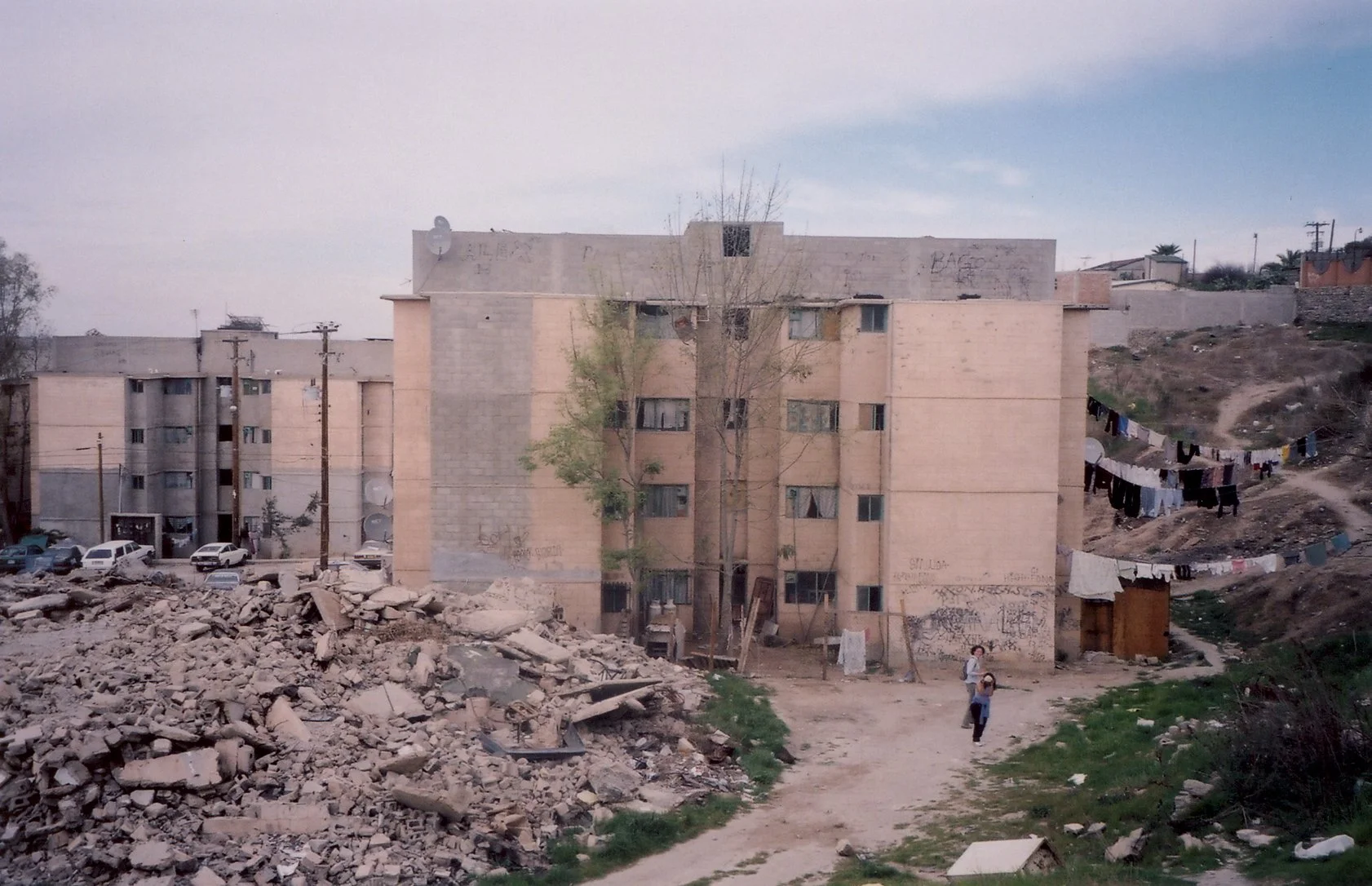
Carmen and Lourdes work in Tijuana’s maquiladoras, the multinationally-owned factories which came to Mexico for its cheap labor. Each day these factory workers confront labor violations, environmental devastation and urban chaos — life on the frontier of the global economy. In MAQUILÁPOLIS, Carmen and Lourdes reach beyond the daily struggle for survival to organize for change: Carmen takes a major television manufacturer to task for violating her labor rights. Lourdes pressures the government to clean up a toxic waste dump left behind by a departing factory. The women also use video diaries to chronicle their lives, their city and their hopes for the future.
As they work for change, the world changes too: global economic crisis and the availability of cheaper labor in China begin to pull the factories away from Tijuana, leaving Carmen, Lourdes and their colleagues with an uncertain future. As promotoras – community advocates who fight for social justice – Carmen and Lourdes serve as role models for taking action in the face of adversity.
The struggle for equitable labor practices on both sides of the border continues today, and MAQUILÁPOLIS remains as powerful an exploration as ever, twenty years after its premiere.
-
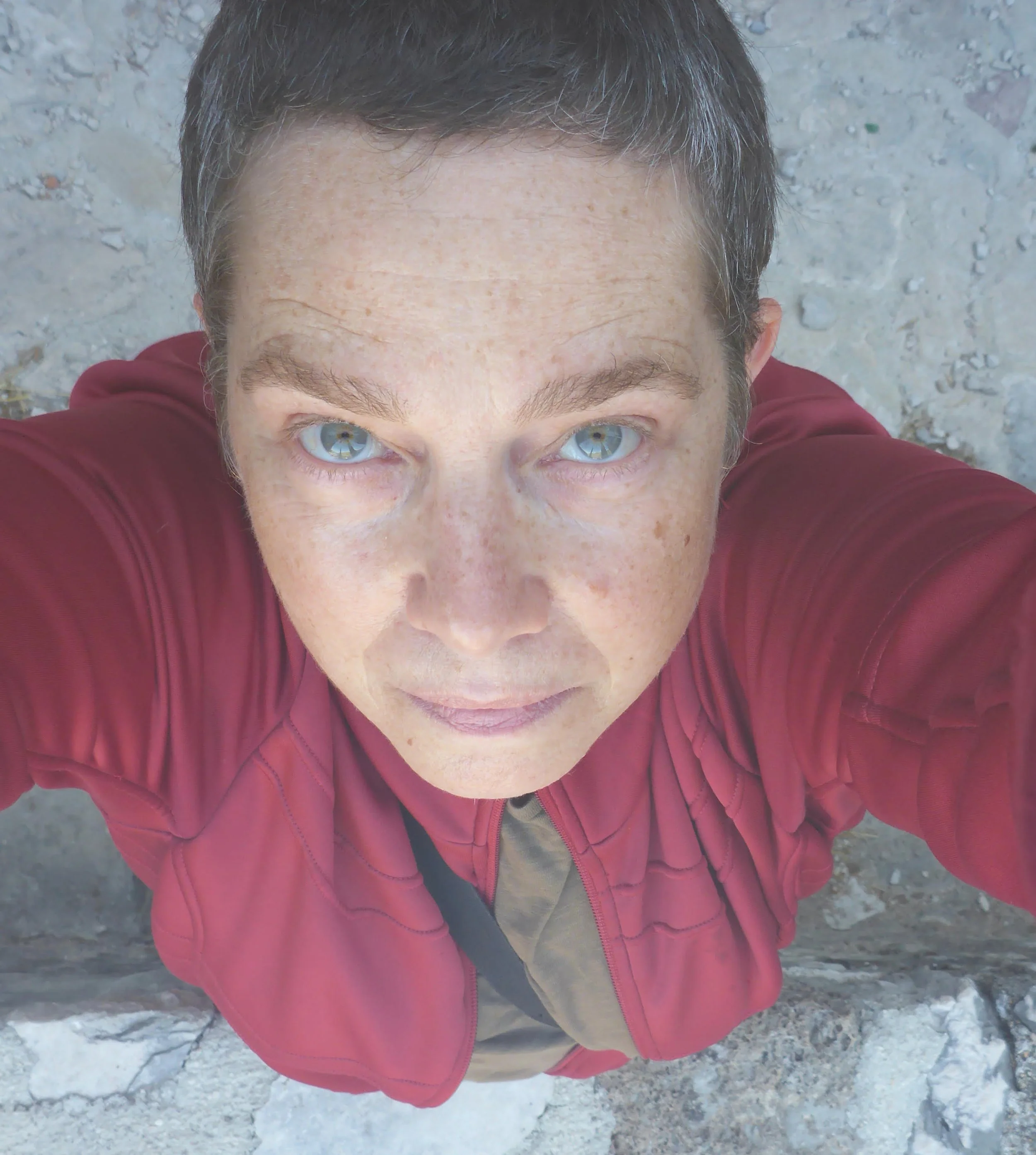
Vicky Funari is a documentary filmmaker, editor, and teacher. She produced, directed, and edited MAQUILÁPOLIS [city of factories] (2006), a piercing look at globalization through the eyes of Mexican factory workers (co-directed by Sergio De La Torre). She produced, directed, and edited the non-fiction feature Paulina (1998), a story of human resilience, about a Mexican working woman who reclaims her life after being trafficked as a child (co-produced with Jennifer Maytorena Taylor). She directed and edited Live Nude Girls UNITE! (2000), a fierce, funny account of the first strippers’ union in the US (co-directed by Julia Query). These award-winning films have screened in preeminent film festivals, including Sundance, Locarno, Havana, Rotterdam, SXSW, Ambulante, and Tribeca, and have aired on PBS and the Sundance Channel. Her current work-in-progress is Pool Stories, currently in post-production.
Funari’s work encompasses a commitment to co-creative and community-oriented processes. She builds multi-platform project elements and collaborative engagement campaigns to keep the work connected, useful, and accessible to the people represented in the work and to maximize its real-world impact. With the MAQUILÁPOLIS Binational Community Campaign, she and her team modeled this approach, partnering with factory workers and grassroots organizations to promote public dialogue and social change.
Funari is a Guggenheim Fellow, a MacDowell Colony fellow, and a Creative Capital grantee. She was on the faculty at Haverford College for 14 years, where she taught the practice and theory of documentary filmmaking and designed interdisciplinary programming and curriculum. As Senior Lecturer in Visual Studies, she was a key member of the teams that created the college’s Visual Culture, Arts, and Media building, VCAM, and the Visual Studies Program, both of which launched in 2017.

-
Jesikah Marie Ross has three speeds: listening, making, and sharing. She’s an artist, an academic, and experienced media producer. Jesikah is out to make a difference and believes that wit, grit and imagination can take us where we need to go. Jesikah knows how to mobilize people around a shared interest and create processes that lead to community change. She’s done it with large institutions, small nonprofits and independent media makers. Jesikah has built a career of consulting, training and project management for participatory media projects with a path and a plan that changes how we collect, tell and share the stories of our communities.
The Team

-
Professor and Director of the Art and Architecture Department at the University of San Francisco, Sergio De La Torre has worked with and documented the manifold ways by which citizens reinvent themselves in the city they inhabit, as well as site-specific strategies they deploy to move ‘in and out modernity.’
De La Torre’s work often invokes collaborations with the subjects and invites both intimate and critical reflections on topics related to housing, immigration and labor, to mention only a few. De La Torre purposely work with individuals from marginalized sectors of the cities he works in. In his work De La Torre has tried to approach the lives of these individuals, not as victim-subjects, but have attempted rather to reexamine the meaning of their actions in the context of shifting global conditions.
These works have appeared in the 10th International Istanbul Biennial, Turkey; the Bienal Barro de America, Museo de Bellas Artes Caracas, Venezuela; in the Cleveland Performance Art Festival, Cleveland, Ohio; the Atelier Frankfurt, Germany; the Centro Cultural Tijuana; the Yerba Buena Center for the Arts in San Francisco; the TRIBECA Film Festival, New York; and el Festival Internacional de Cine de Morelia. Sergio De La Torre is an Associate Professor at the University of San Francisco Art and Architecture Department.
-
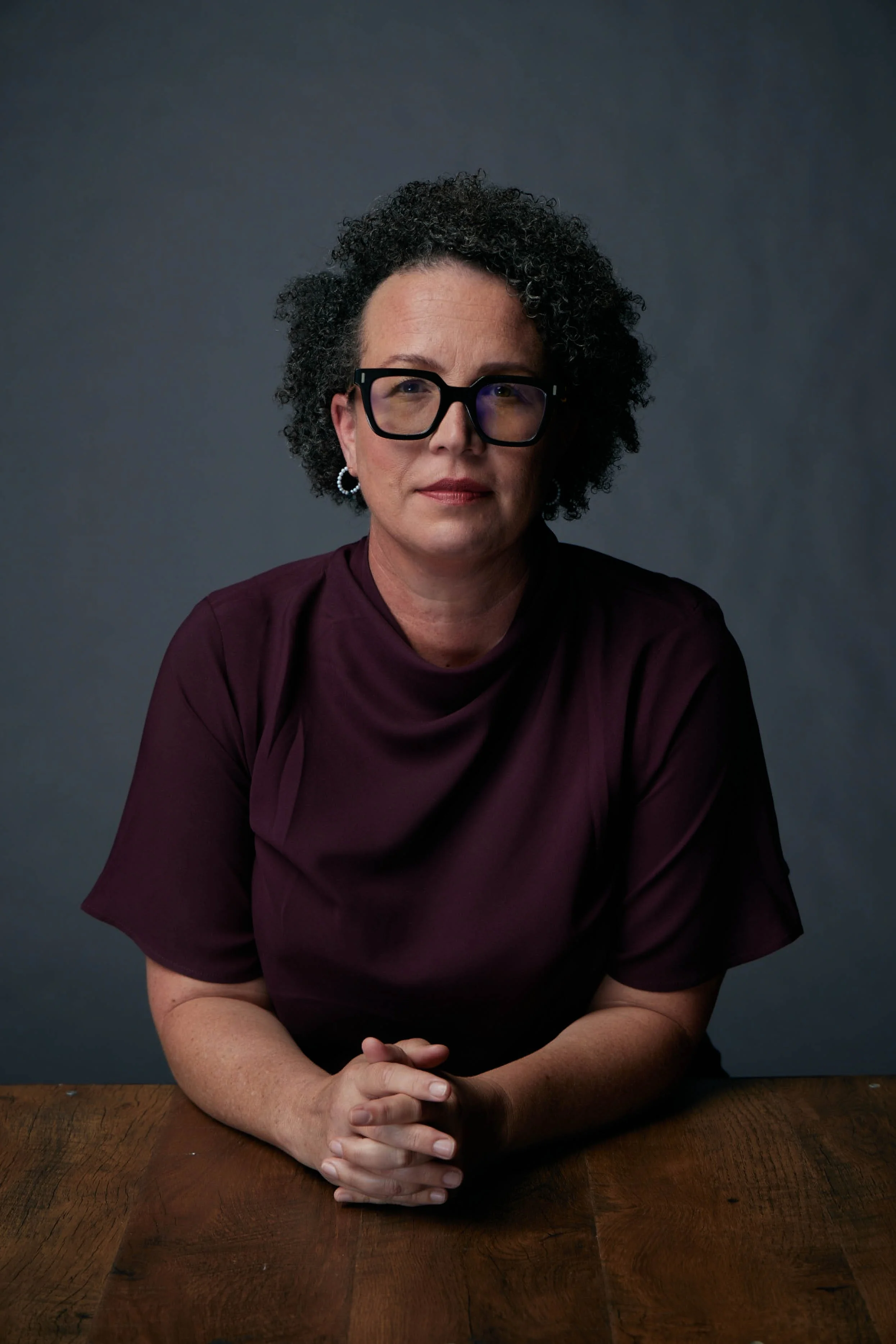
Darcy McKinnon is a documentary filmmaker based in New Orleans, whose recently released projects include the award-winning Natchez, (Best Documentary, Tribeca, 2025), theatrically released by Oscilloscope in 2025, and scheduled for broadcast on Independent Lens in 2026. Other recent projects include Turnaround, (NOFF 2025), A King Like Me (Netflix) and Roleplay, (SXSW, 2024), Commuted (PBS, 2024), Algiers, America (Hulu, 2023), Under G-d (Sundance 2023), Look at Me! XXXTENTACION (SXSW, Hulu, 2022) and The Neutral Ground (Tribeca, POV, 2021). She is currently working on new projects with Jason Jeffers, Zac Manuel, Alyse Shorland, Brian Becker, CJ Hunt and Nicole Craine. Her work has been featured on Netflix, Hulu, World Channel, AfroPop, POV, and Reel South and has screened at Sundance, Tribeca, SXSW, CPH:DOX and more. She was the recipient of American Documentary’s 2023 inaugural Creative Visionary Award, and the 2025 New Orleans Film Society Lumière Award.
-
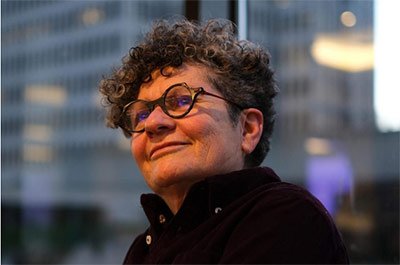
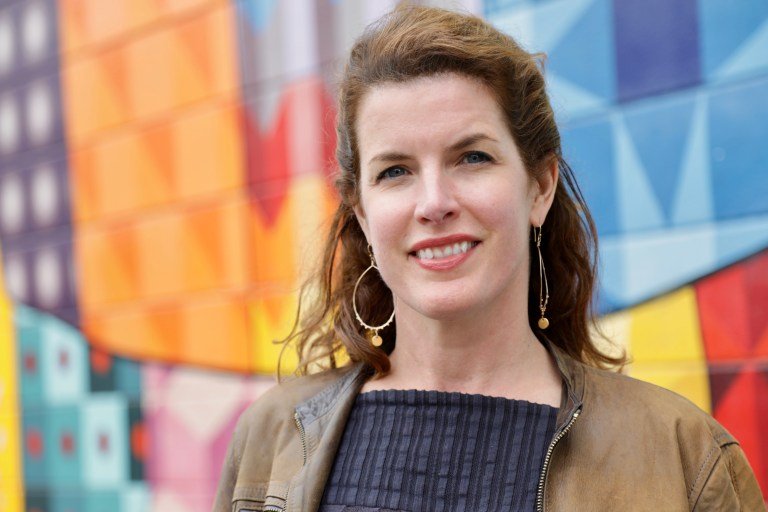
Vivian Kleiman is a Peabody Award-winning filmmaker whose work is known for its challenging subjects, edgy visual approaches, and notes of humor. Vivian founded Compadre Media Group in 2016, which released No Straight Lines: The Rise of Queer Comics at the Tribeca Film Festival (2021) and then on the award-winning national primetime series PBS Independent Lens (2023). Honored with a Eureka Artist Fellowship from the Fleishhacker Foundation, she served as story editor on the Showtime series Wu-Tang Clan: Of Mics and Men. She also is known for her collaborations with landmark filmmaker Marlon Riggs, including Tongues Untied, which voiced the agony of Black gay men in the face of the AIDS crisis.
Also an educator, Vivian taught at Stanford University’s Graduate Program in Documentary Film and Video Production.
-
Annelise Wunderlich (she/her) is a media producer, filmmaker, and impact strategist dedicated to narrative change and storytelling that advances social and environmental justice. Annelise has produced nationally broadcast documentaries and impact campaigns for PBS, ITVS, and public media partners, with work spanning community environmental health, labor rights, and human rights in the United States and Latin America. Annelise spent a decade at Independent Television Service as Senior Production Manager and Engagement and Education Manager, helping bring high-quality documentaries into classrooms nationwide. As Executive Producer at KQED Education, she led the Emmy-winning series Above the Noise and collaborated with youth creators on digital projects focused on civic engagement and media literacy. Today she is a program director at the Redford Center. As an independent filmmaker, Annelise co-directed The Corridor, a feature documentary that aired nationally on PBS’s America ReFramed.
The Promotoras
MAQUILÁPOLIS is a work of participatory documentary; the film could not have been made without the creative collaboration of workers and activists, promotoras, on whose work the film focuses.
Collaborating Promotoras
Diana Arias
Eva Bailón
Lucia Blanco
Lupita Castañeda
Carmen Durán
Naty Guizar
Tere Loyola
Lourdes Luján
Lety Meza
Vianey Mijangos
Yesenia Palomares
Adela Rivera
Francis Rodriguez
Delfina Rodriguez
Blanca Sanchez
Rocio Salas
Coty Valdez
Support
This film would not have been possible without the support of:









Process + Impact
One thing all the workers in MAQUILÁPOLIS had in common was a sense of agency: they were promotoras, women who sought out training in human rights, labor rights and environmental justice from non-governmental organizations (NGOs) and who became advocates committed to passing their knowledge on to their communities. The filmmakers invited promotoras in Tijuana and community organizations on both sides of the border to join in creating a film that depicted globalization through the eyes of the women who live on its leading edge. The factory workers who appear in MAQUILÁPOLIS [city of factories] were involved in every stage of production, from planning to shooting, from scripting to outreach. This collaborative process broke with the traditional documentary practice of dropping into a location, shooting and leaving with the "goods," which only repeated the pattern of the maquiladora itself. The process merged art-making with community development and sought to ensure that the film's voice would be truly that of its subjects.
Our Binational Community Impact Campaign, designed and implemented collaboratively with factory workers and stakeholder organizations in the U.S. and Mexico, used MAQUILÁPOLIS in diverse education and advocacy contexts to create meaningful social change around the issues of globalization, social and environmental justice, and fair trade. The campaign used the film as an organizing tool: to get people involved, to mobilize for change, and to support cross-issue and cross-border activism. The campaign ran formally from 2006-2009, and in some ways it continues informally to this day, as the film continues to be used by community activists and educators across the world. We invite you to participate too, by organizing a 20th anniversary screening of the film in your school or community.